

Everyone Is Nostalgic and No One Is in Love
On not seeing the present for the past

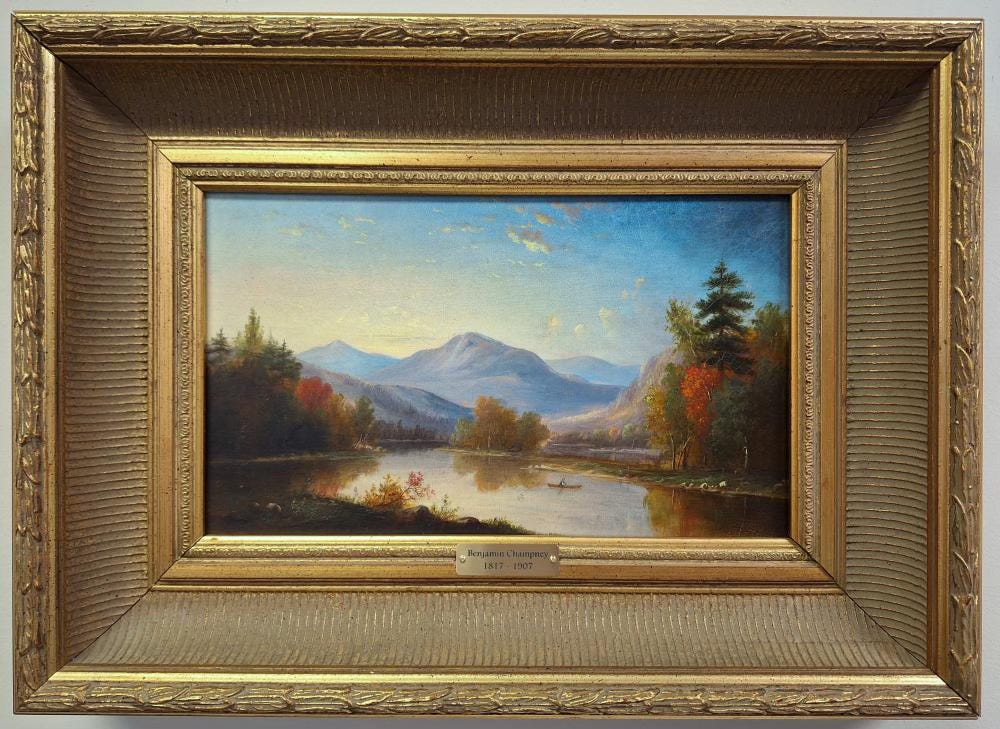
We argue and I take a shower and by the time we leave it’s late. I wonder if people who are so different from each other in so many ways are always bound to argue. Or is it that people who love passionately and intensely also fight passionately and intensely? I am wearing an ugly outfit because we are going to do what they call “hiking,” although to be honest I have never been able to tell the difference between “hiking” and walking. I have a suspicion “hiking” is just walking but in ugly clothes.
Weather is sunny and placable, cool enough not to burn, warm enough not to bite. Early October. The last time I visited the White Mountains was four years ago; now my father is dead and I am married. Do places remember people who have visited them, just as we remember places? Do they sense us coming back to them, do they thrill at the respectful, the awed lover of beauty, dread the indifferent, the boorish and rude?
Leaves flash goldly as we drive. The foliage is like an ornate border for the highway’s black ribbon. When you cross over from Massachusetts to New Hampshire you can sense an immediate change in the drivers. They are calmer; perhaps it’s the nature, though it’s not as though New Hampshire lacks cities. We pass through several: Derry, Manchester, Concord. The gleaming dome of the New Hampshire State House provides another friendly flash of gold. An hour’s drive or so later, we find ourselves suddenly in the mountains: lofty vistas, thick with trees, rise up around and beyond us; the road dips and arches. The world is vast here. Beauty dispels bad feelings, or at least distracts from them, and we are happy. Beauty is the cure for all maladies.
The town of Lincoln, with its ski lodges and resorts and ziplines and restaurants all crammed into the center of it, as though deposited in a heap at the foot of the mountains, is just as I remembered it. True, usually nothing changes in four years, but when your life itself has changed so much in that interval, you half-expect the world to follow suit. The Kancamagus Highway is much slower: it is a scenic highway, a fun highway, a highway of diversions and amusements and views and secrets, with rivers and waterfalls lurking behind its screen of trees and hikes every few feet that trail off into sylvan delights and overlooks that are tailor-made for that drone you bought three years ago—a road that, as they say, is its own destination.
We abandon plans to visit a gorge—it turns out to require an $18 ticket, and all the tickets are sold out, anyway. Kancamagus was the last sagamore, or chief, of the Pennacook confederacy of Native Americans. Tired of dissension with and disease from the English settlers, he moved his people northward. What would he thought of a waterfall you have to pay to see? But before I can indulge in this thrilling thought experiment my husband locates a waterfall that requires no ticket, is not sold out, and costs nothing to see but a short, lovely trek through the woods.
The woods. What I love about them is their layering of textures, which in itself becomes a texture: rough, rich, earthy, scarred, dark. There is so much detail in everything your eyes land upon—bark so scratchy and knobbly you seem feel it with your sense of sight; the green spongy fur of moss; dark, water-stained rock sprinkled with faded, pale fallen leaves. The roots of trees twist down into mysterious recesses, and overhead leaves tinged yellow and ochre make a rustic roof. A brook lisps over stones and in the distance falls in a continuous chime, collecting in a clear, sapphire pool.
Walking up a flight of wooden stairs and across a narrow bridge, we follow the water as it runs from its source deeper and deeper into the woods’ tawny heart, until all others are left behind and it is just ourselves in a secluded hollow. The shallow water courses swiftly around the large round rocks; the rocky waterbed is very close to the surface and lucid in the late afternoon light, and the river runs over it like invisible silk. Between the evergreens are sparks of glorious orange. We are tempted by beauty and seclusion into taking our shoes and socks off and clamber over the rocks until we reach a moss-blanketed seat, just large enough for two, with two smaller rocks in front of it like little footstools. Indeed it as though the woods have formed a kind of living room for us, “sheltered from annoy,”1 where instead of screens we can contemplate the streams. How could Shelley have compared autumn leaves to “ghosts” and “pestilence-stricken multitudes”?2 Moving downstream, bright, vivid, whirled, they look instead like tiny barges for pixies, or like thoughts, some lazy, eddying, content to float and drift, others passing rapidly, revolved this way and that in the current.
The air here is bracing and cool and pure. The water is cold when we dip our feet in but “absolutely clear,”3 shallow, swift, cleaner than the wind. Our feet emerge rosy, slightly wrinkled, and we rub them against each other’s for warmth and lie down on the rock and look up at the sky, whose blue is crowded in with cloud and pine and flamelike maple. The air darkens quickly; we are loath to leave. The sky is an October purple, the trees black silhouettes, and the full moon peeps out of them, an eye aglow. We stop at a scenic overlook. The daytime crowds have dispersed. Over the jeweled acres of multicolored foliage the moon is the principal jewel, a mother-of-pearl pendant set in amethyst. It follows us in the rearview mirror as the woods get darker and darker, watchful, I’d like to think, and protective.
My husband takes us to the Gypsy Cafe in Lincoln, a place I’ve been badly wanting to return to, remembering my father, how we stopped by for lunch and my father’s sugar was running low then and we ordered dessert first, a chocolate lava cake, and my father shared it with my mother and me. We are turned away at the door; the restaurant is full. My husband asks me if I want to go anywhere else, but my dream is shattered, and to go anywhere else would only crush its fragments more finely. Absurdly, thinking of my father, I cry in the car. Had I thought that by reliving every experience we’d had together I’d be able to bring him back somehow?
Husband is tired. Tempers fray. I make myself useful by locating cheap gas in what turns out to be the cutest imaginable town. It is called Plymouth but is sans Rock. Instead there is a strip of old-fashioned storefronts on Main Street that looks like a movie set, as though you could push any one of these façades over with a touch of the finger. The words “ICE CREAM PARLOR” in noble tall gold lettering catch my eye. “ICE CREAM PARLOR” is really called MnM Scoops. It shares its space with “The READERY BOOKS & THINGS,” which is disappointingly closed and dark but temptingly visible. The menu is handwritten on chalkboard set off by a pastel pink-yellow-and-sea-green-striped wall. A handsome wooden counter with tall rickety wooden chairs. We get a sundae, salted caramel chocolate pretzel with hot fudge and Heath bar and whipped cream and a cherry on top, and smile at each other between creamy, melting spoonfuls. I have wanted so badly to repeat the past that I have blinded myself to the present. I take a pastel-striped “Frequent Licker Card” as a souvenir. Nine more scoops and the tenth is free.

Hi readers, I hope you enjoyed this little piece! It was a little more diaristic than what I usually write, but I love the task of sifting through my memories and trying to describe different places and experiences—please let me know your thoughts in the comments, as I always enjoy hearing from you!
John Keats, “Ode on Indolence.”
Percy Bysshe Shelley, “Ode to the West Wind.”
Elizabeth Bishop, “At the Fishhouses.”
What a beautifully written piece, Ramya! I felt like I was there with you. And I know exactly what you mean about places not changing after time, feels so surreal.
A nicely written and relatable piece painting a picture of your journey